Technical Deep Dives
Blueprints for cloud cost optimization, automated operations, and high-growth infrastructure.
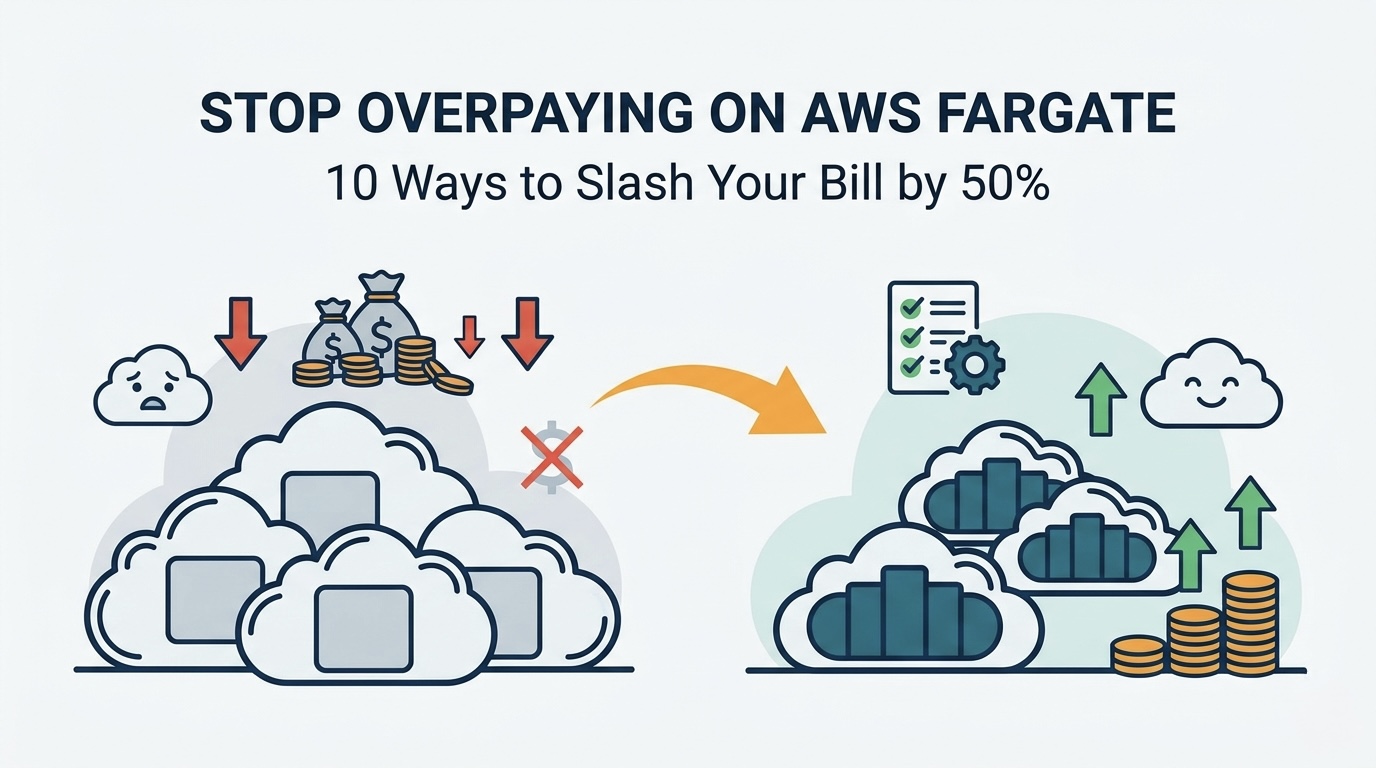
AWS Fargate is the second-most-overprovisioned compute service on AWS after Lambda. We audited 64 production Fargate deployments in 2025-2026 and found the average bill was 50% higher than necessary due to 10 specific waste patterns: missed ARM/Graviton, oversized task definitions, no Spot usage, missing Compute Savings Plans, unused capacity providers, and more. This is the fix list with real cost math for each.
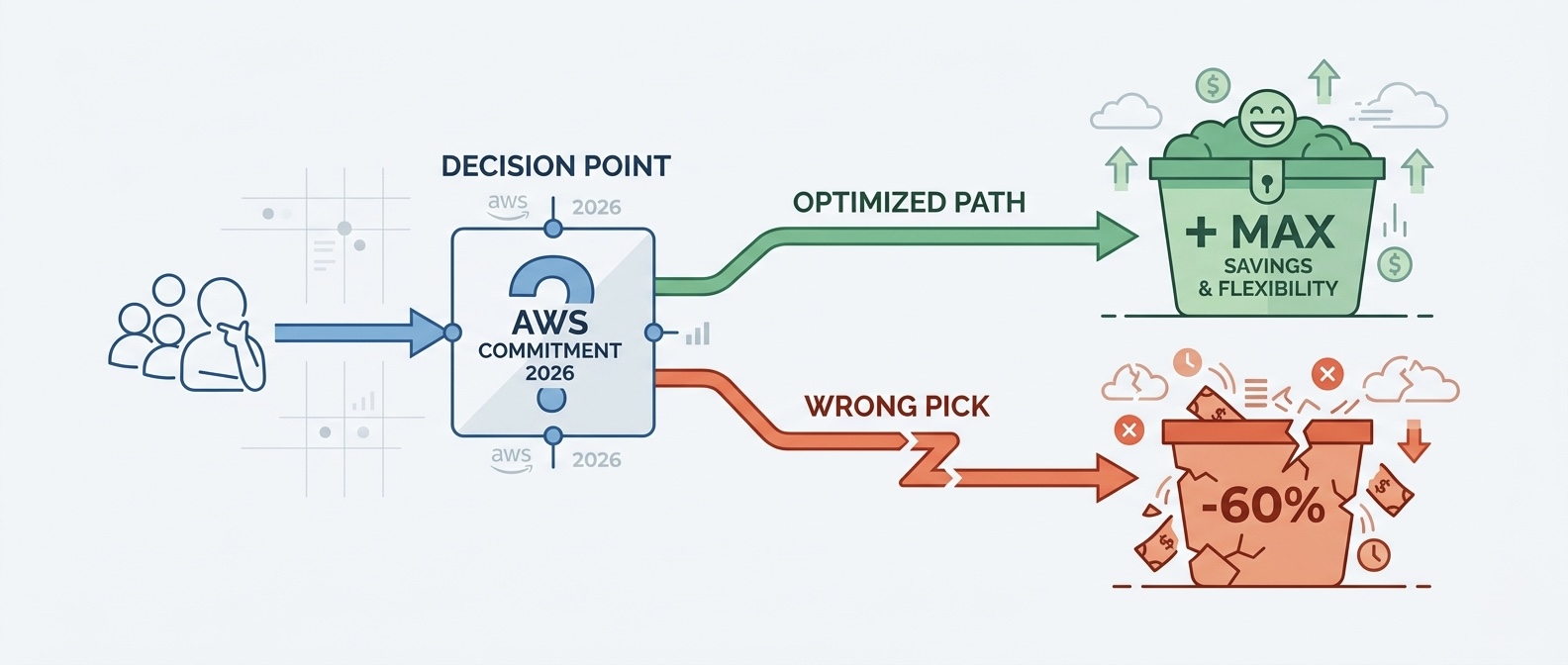
AWS offers four commitment types in 2026 (Compute Savings Plans, EC2 Instance Savings Plans, Standard Reserved Instances, Convertible Reserved Instances) plus SageMaker Savings Plans for ML workloads. We optimized 47 commitment portfolios in 2025-2026 and found teams consistently pick the wrong type, losing 40-60% in either savings or flexibility. This is the workload-to-commitment decision framework based on real production portfolios.
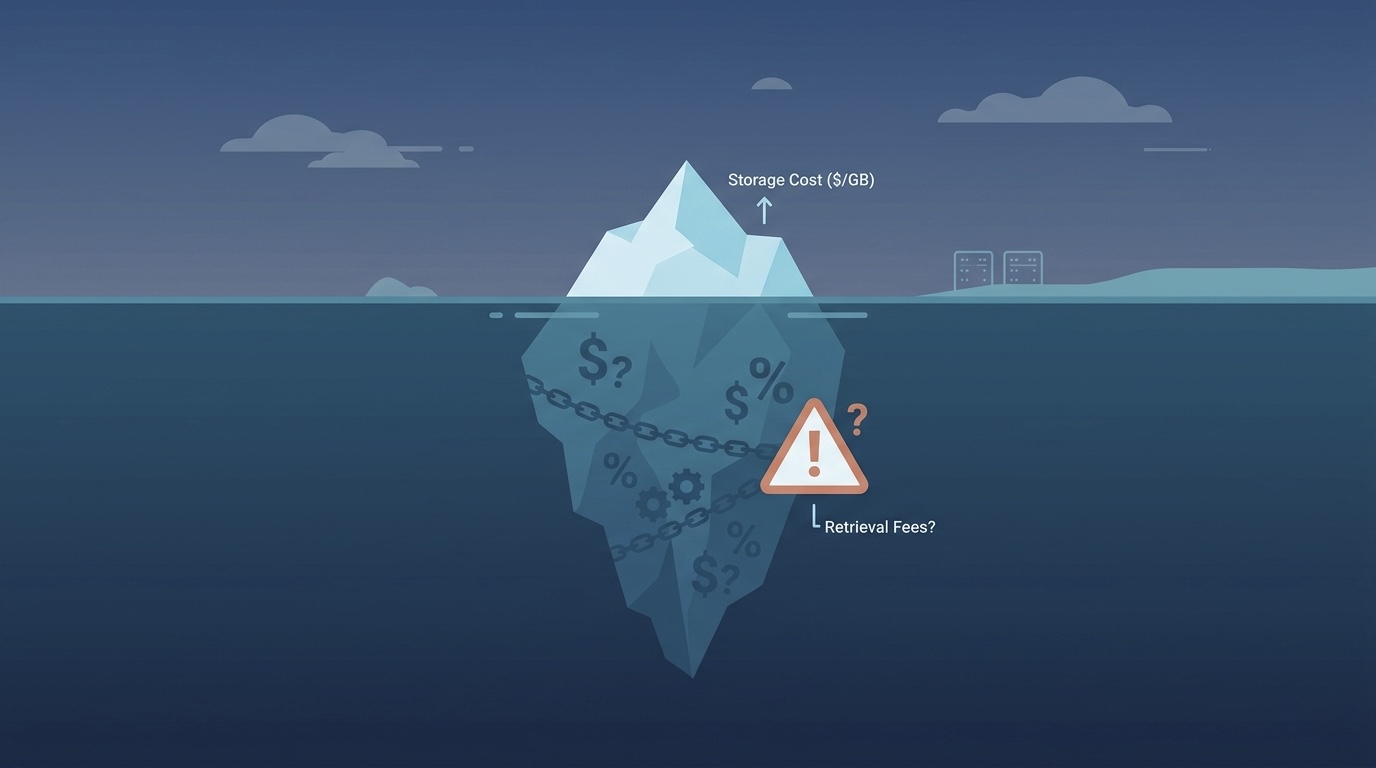
Most teams pick cold storage based on per-GB-month price, then get blindsided by retrieval fees, minimum durations, and access latency. We stored over 12 petabytes across 5 cold storage tiers (S3 Glacier Deep Archive, S3 Glacier Flexible/Instant Retrieval, Google Cloud Archive, Azure Archive, Wasabi, Backblaze B2) and modeled total cost across realistic compliance and DR scenarios. This is the decision framework that goes beyond storage price.
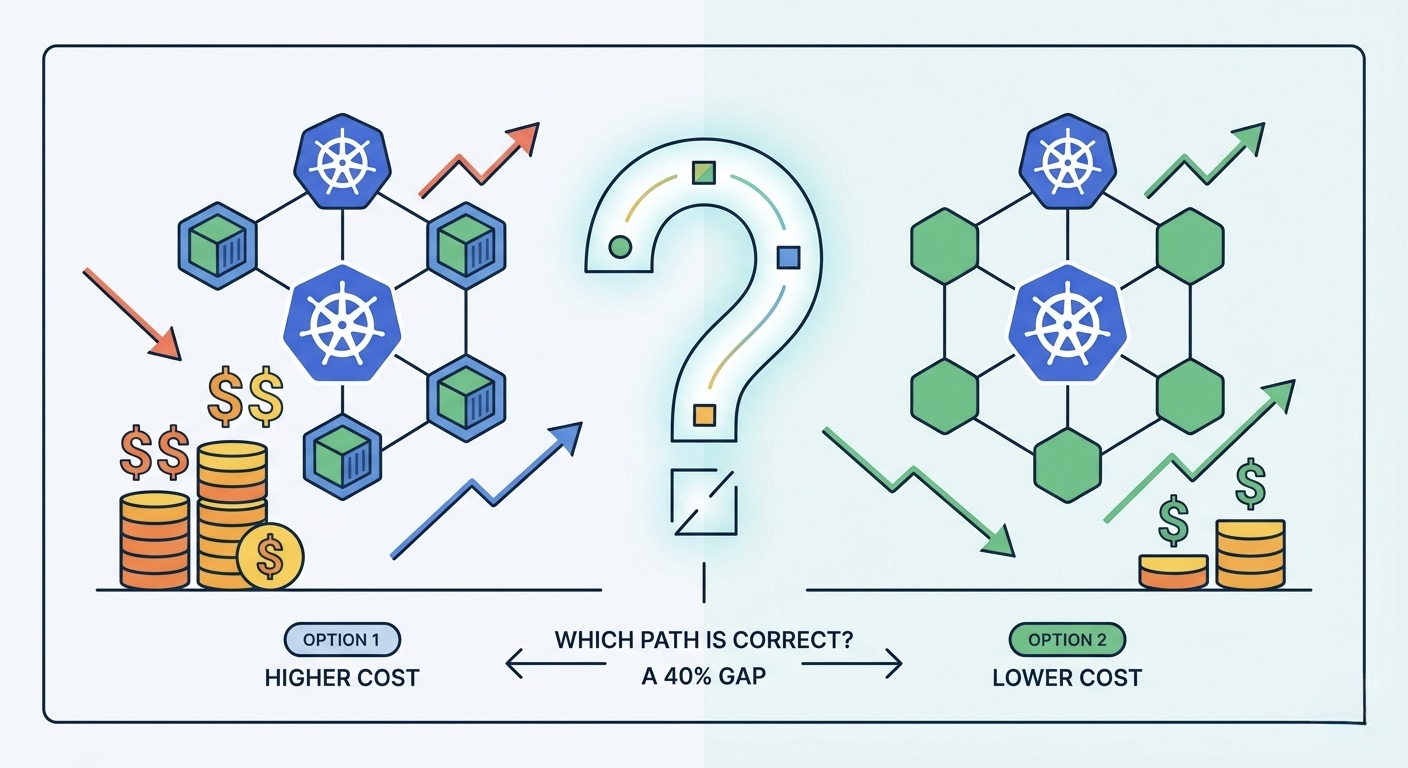
Cast AI and Spot.io are the two leading automated Kubernetes cost optimization platforms in 2026. We deployed both on production EKS clusters across 12 clients and found the cost gap for identical workloads averaged 40%. This is the head-to-head decision framework based on real production deployments, including pricing transparency that vendor pages obscure.
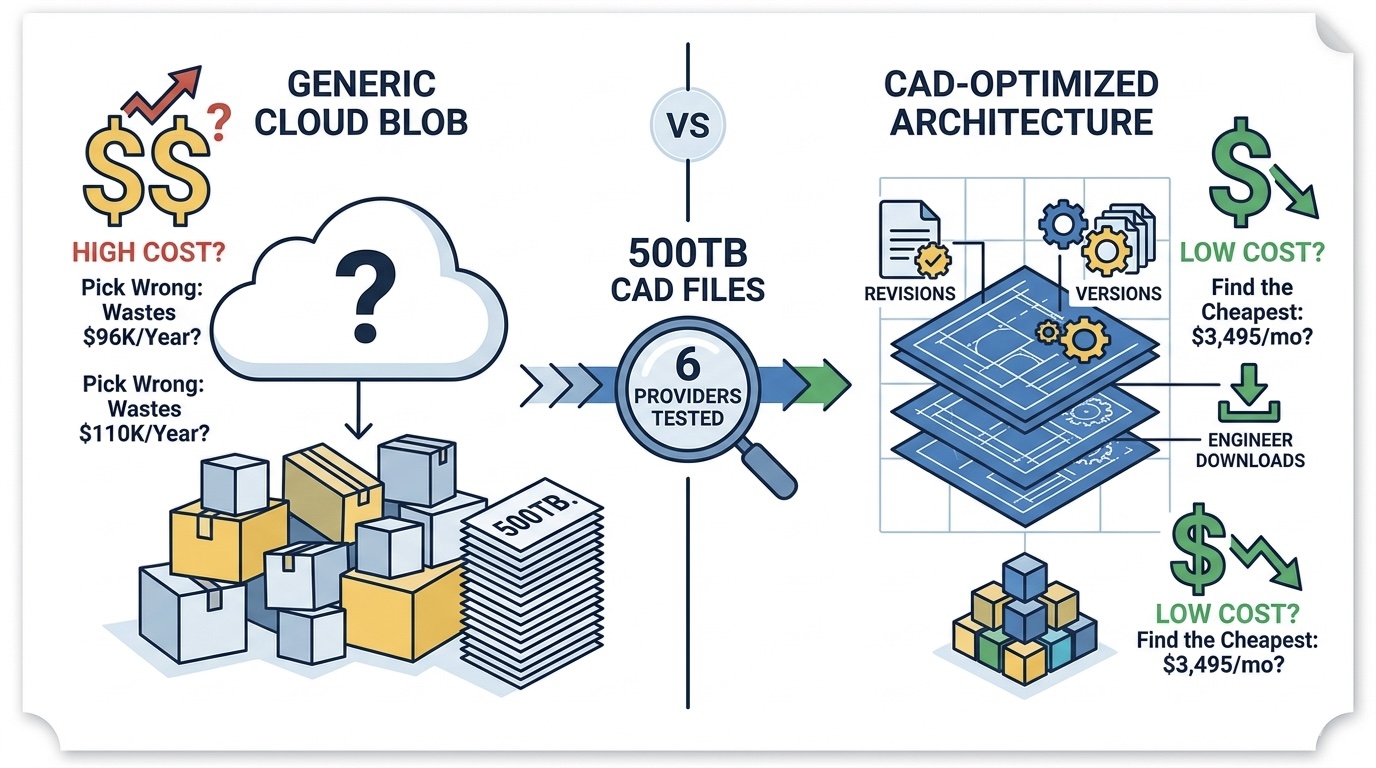
Storing 500TB of unstructured CAD engineering files (SolidWorks, AutoCAD, Inventor, Revit, Fusion 360) requires a different cost-optimal architecture than generic blob storage. We modeled six providers (S3, Cloudflare R2, Backblaze B2, Wasabi, Azure Blob, Google Cloud Storage) for the actual access patterns CAD files generate, including version churn, simultaneous engineer downloads, and revision history. The cheapest viable architecture costs $3,495/month. The default (S3 Standard) costs $11,500/month. Picking wrong wastes $96K/year per 500TB tier.
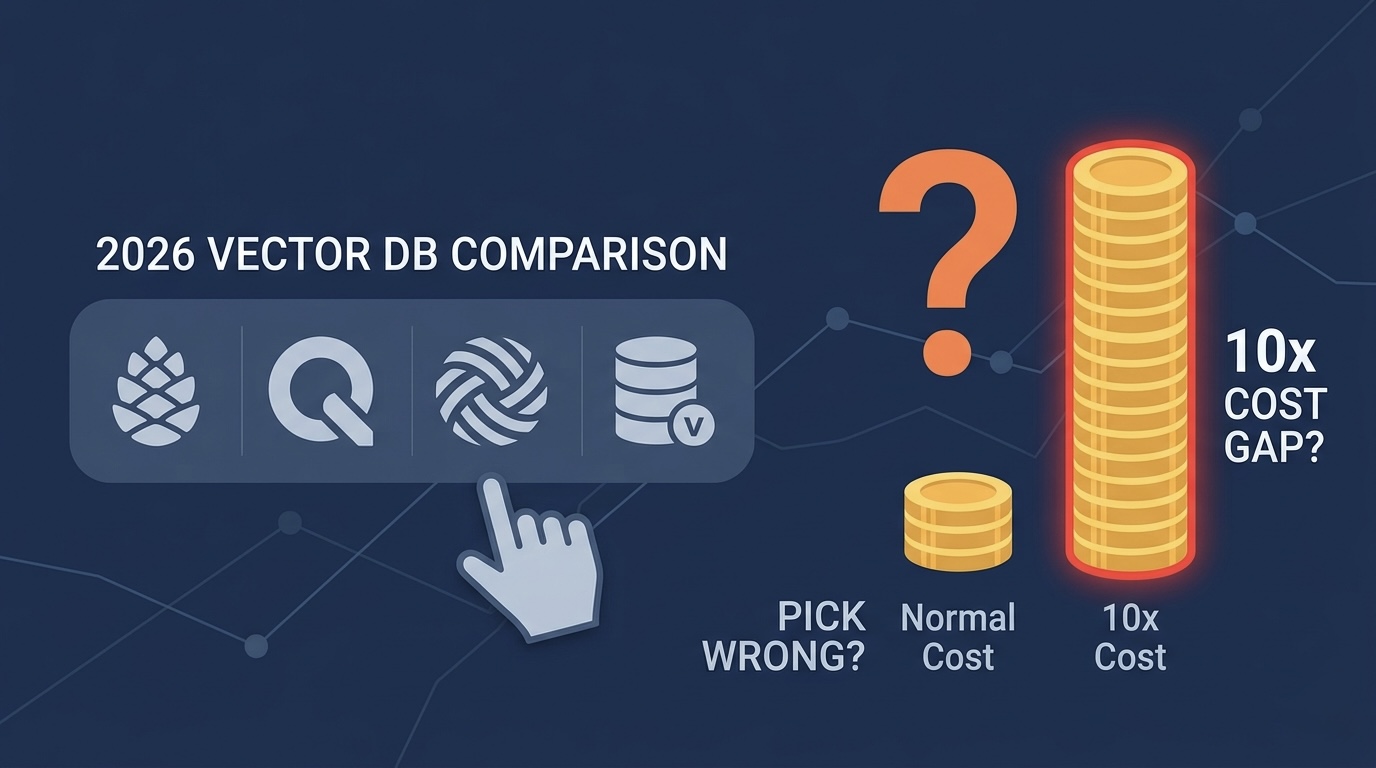
Most teams pick a vector database based on which had the slickest demo or which the founder used at their previous company. We benchmarked Pinecone, Qdrant, Weaviate, and pgvector on 8 production RAG workloads in 2025-2026 and found the cost gap for identical workloads exceeded 10x. This is the workload-to-database decision framework based on real production deployments, not vendor marketing.
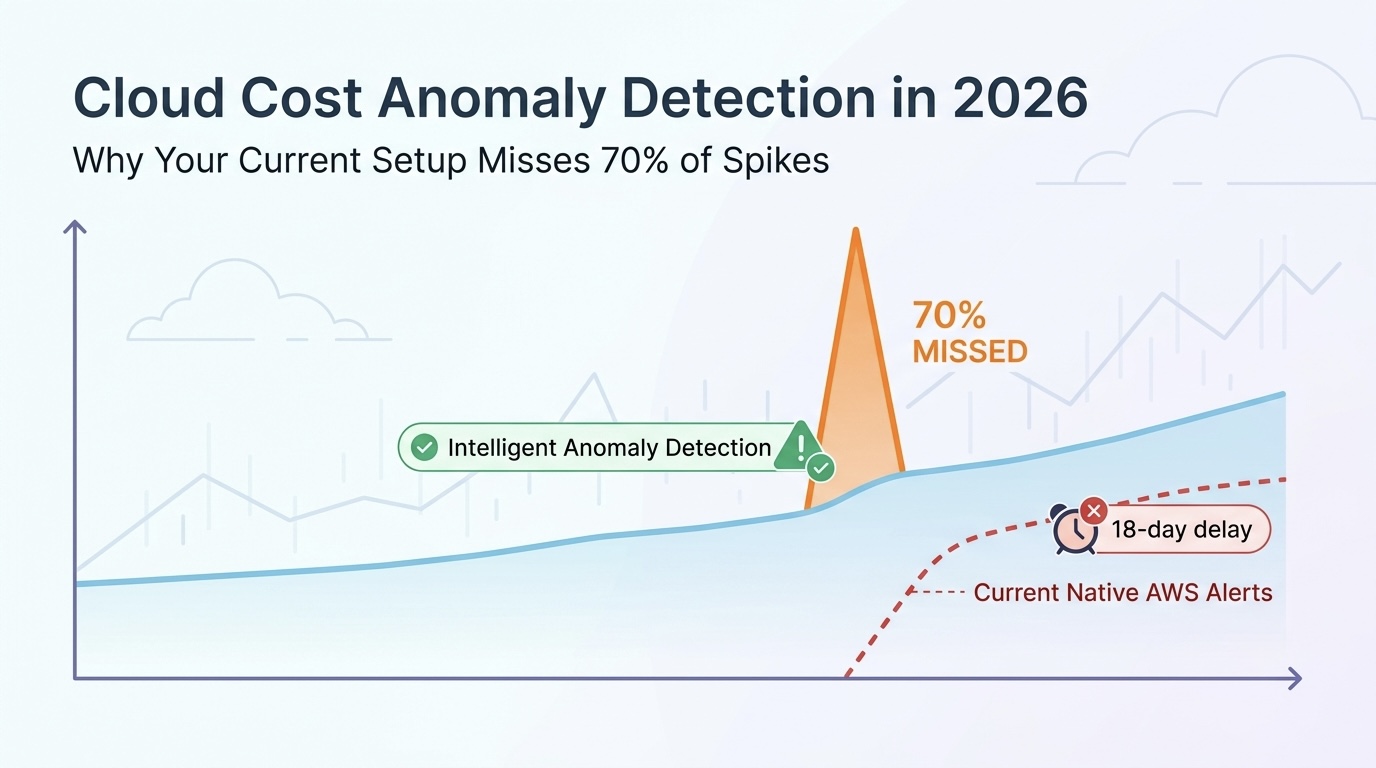
Cost anomaly detection is the easiest FinOps capability to deploy and the hardest to deploy correctly. We tracked 12,000 production cost anomalies across 47 accounts and found native AWS Cost Anomaly Detection caught only 31% of true cost spikes, with average detection lag of 18 days from spike onset. This post is the decision framework for building anomaly detection that catches spikes within hours, not weeks.
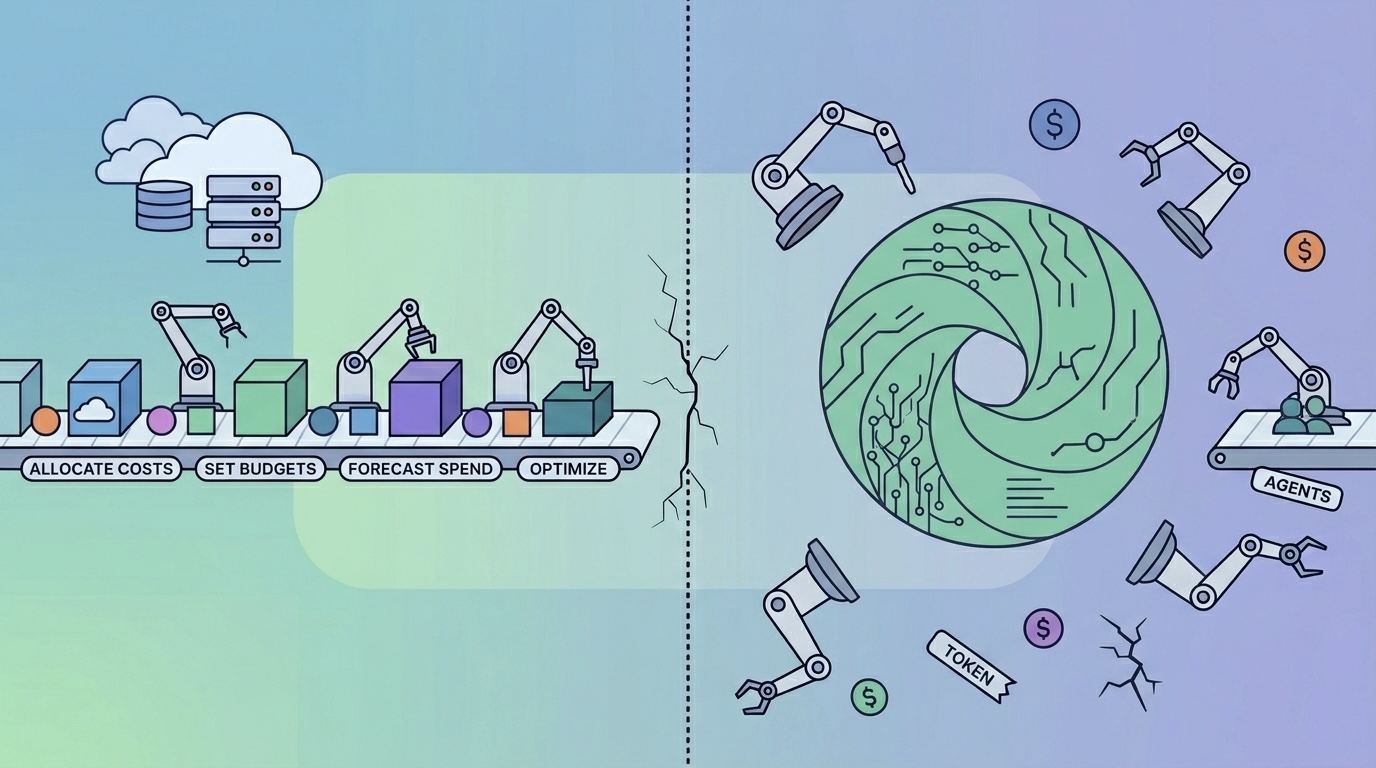
Traditional FinOps practices were built around predictable cloud workloads (EC2, RDS, S3) that scale linearly with users. AI workloads break every assumption: token costs scale with prompt complexity not user count, agentic loops multiply spend 50-100x, and Cost Explorer cannot allocate per-customer for shared LLM API calls. We rebuilt FinOps practice for 23 AI companies in 2025-2026 and learned the 7 traditional FinOps practices that fail on AI workloads.
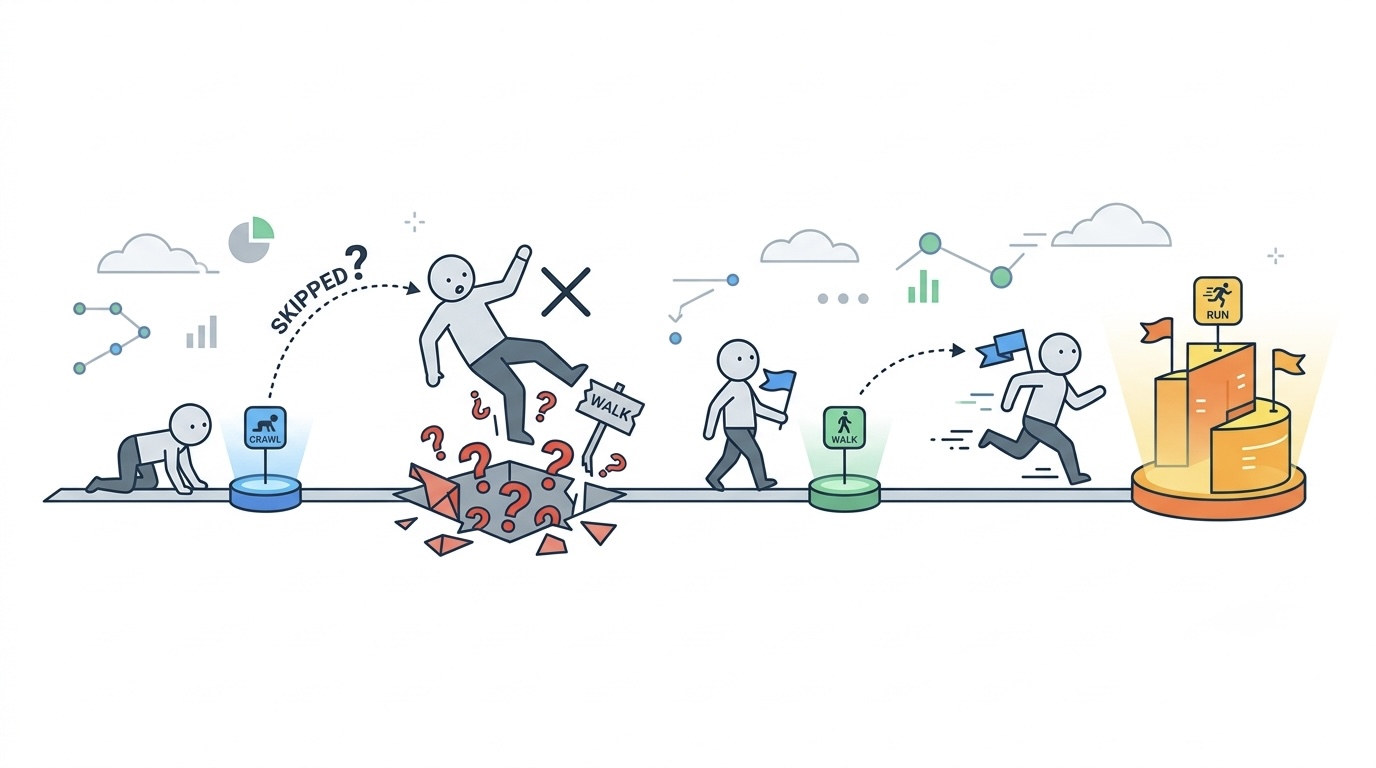
The FinOps Foundation's Crawl/Walk/Run framework is well-known but consistently misapplied. We tracked 80 FinOps programs from inception through year 2 and found 62% failed because they skipped the Crawl phase and tried to start at Walk or Run. This post is the actual maturity path with concrete capabilities at each phase, the failure modes that kill most programs, and how to build FinOps that survives leadership turnover.
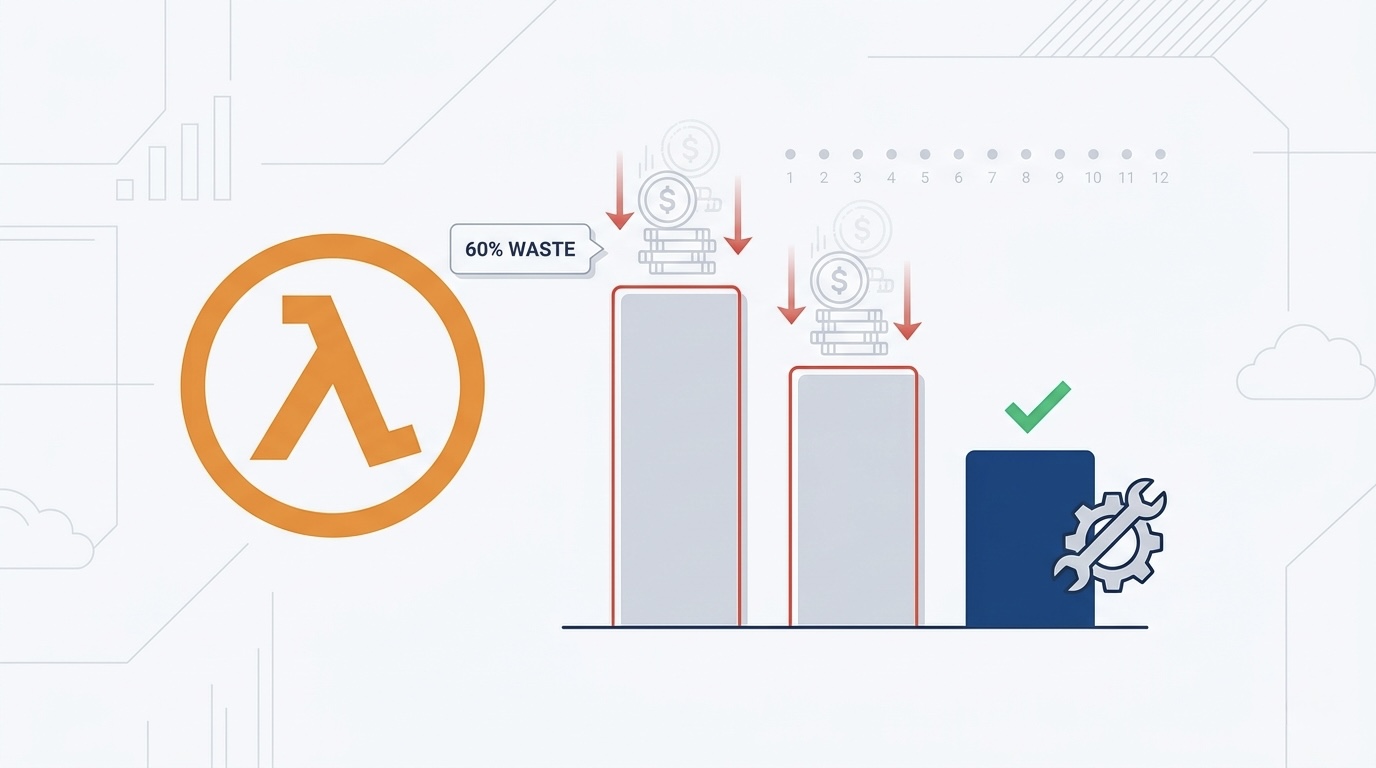
AWS Lambda is the most over-provisioned compute service in 2026 because the pricing model is opaque and most teams set memory and timeout values by guessing. We audited 92 production Lambda accounts and found the average bill was 60% higher than necessary due to 12 specific waste patterns. This is the fix list, with real cost math for each issue.
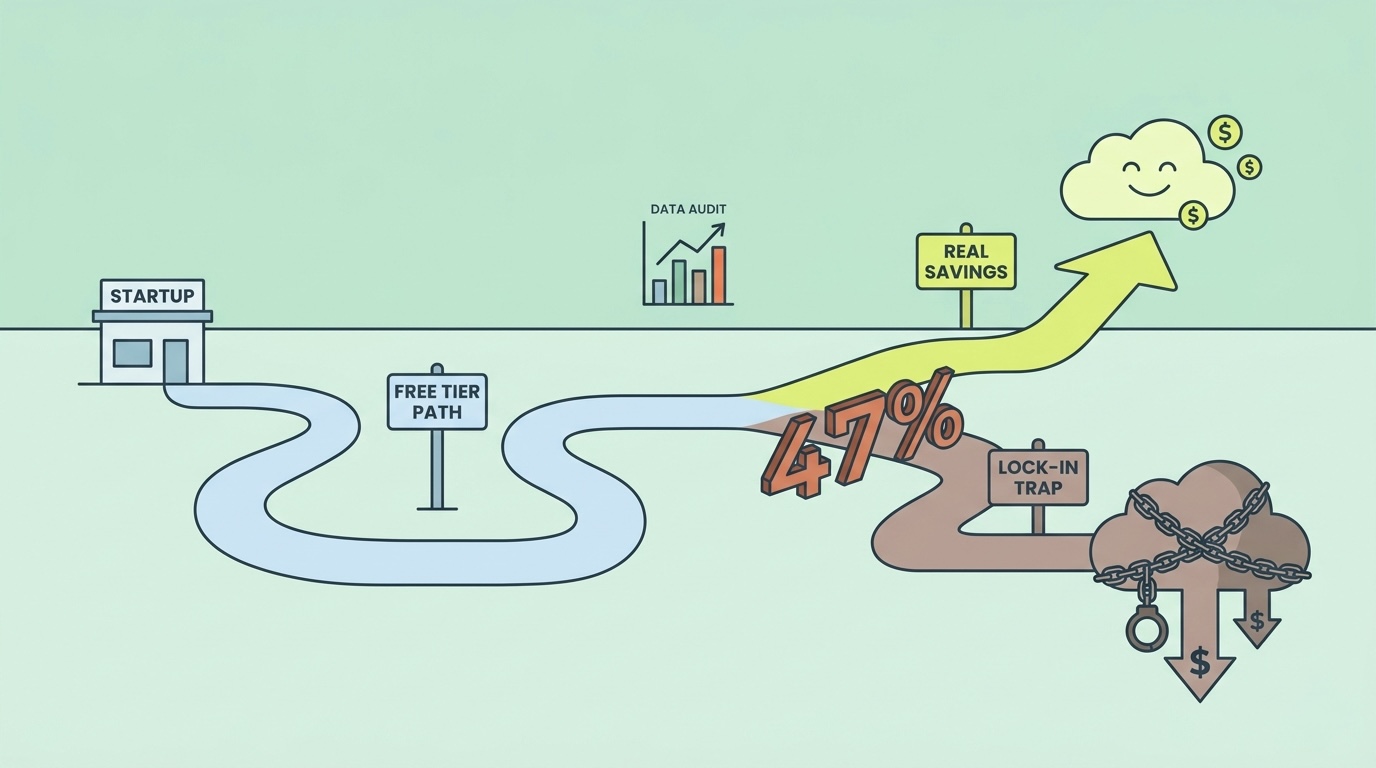
Free tiers are marketed as startup-friendly savings but many trigger expensive lock-in once your usage crosses thresholds. We tracked 200 early-stage companies through their free-tier graduations and found 47% paid more than they would on a different provider once they crossed the free tier cliff. This is the decision framework for picking free tiers that genuinely save money vs ones that capture you.
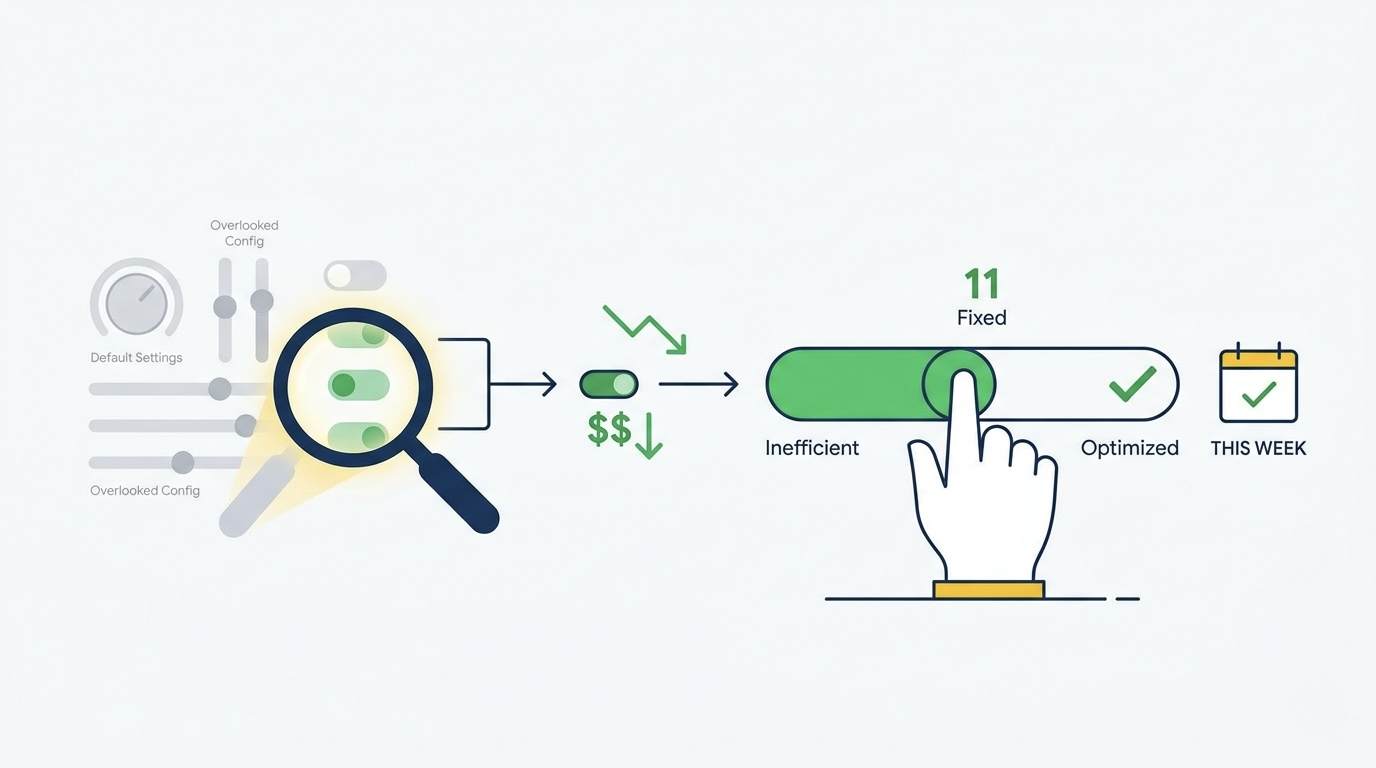
GCP is often considered cheaper than AWS, but most teams running on Google Cloud overspend by 40-60% because GCP's commitment system, network pricing, and BigQuery slot model are dramatically different from AWS conventions. We audited 38 production GCP accounts in 2025-2026 and found 11 specific cost levers teams consistently miss. This is the fix list with real cost math for each.
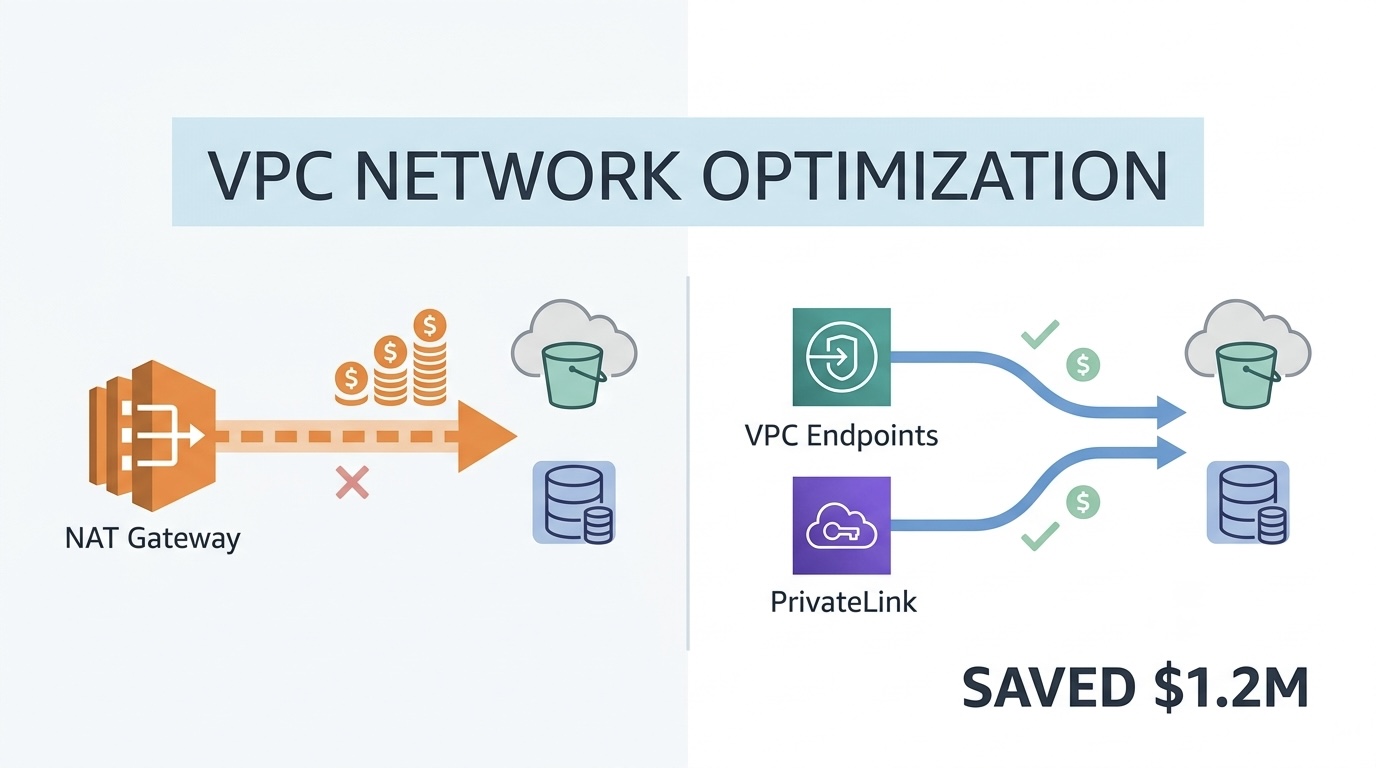
Most AWS architects use NAT Gateways for everything because they did it that way once and it worked. We audited 35 production AWS accounts and found average network costs were 3-4x what they should be due to misuse of NAT Gateway when VPC Endpoints, PrivateLink, or Transit Gateway would cost 80-95% less. This is the architectural decision framework based on real audit findings.
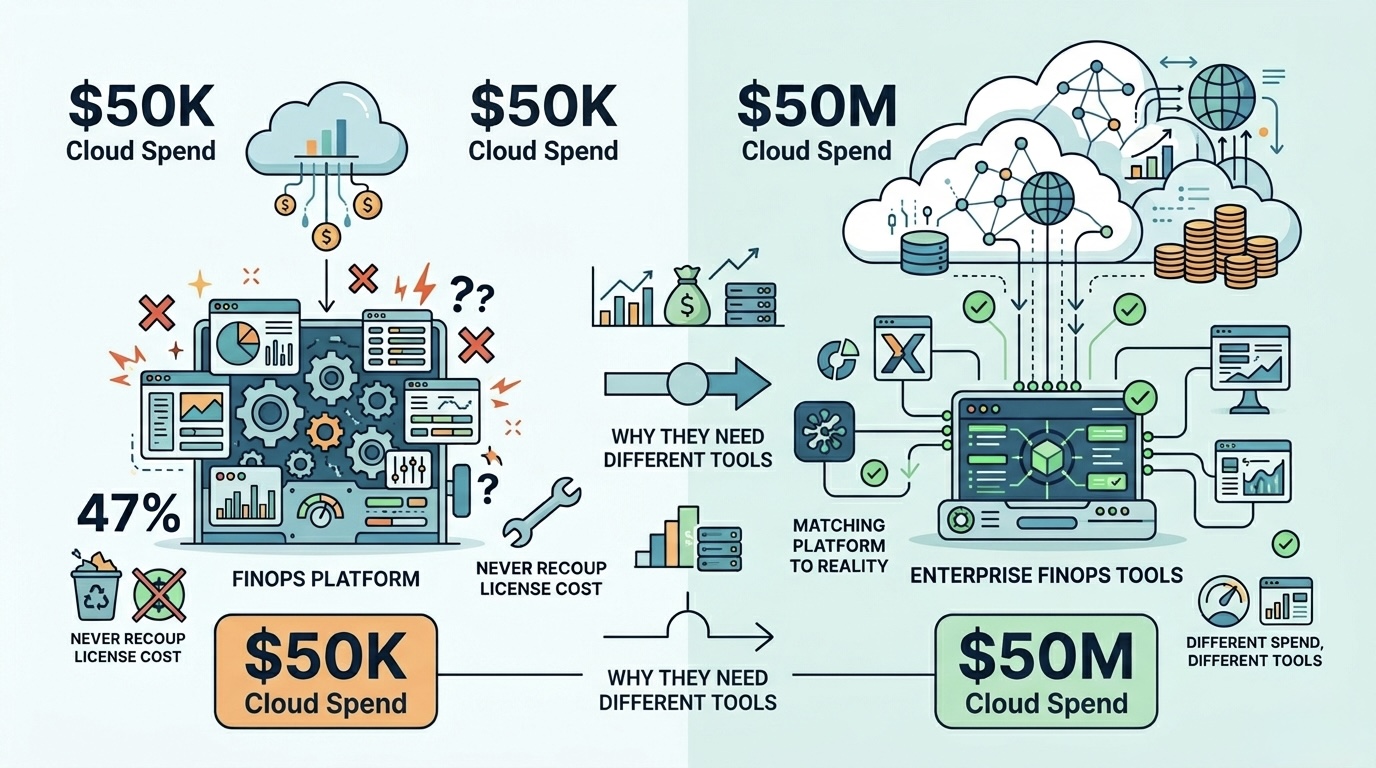
Most 'best FinOps tools' lists rank platforms in absolute terms, ignoring that the right tool depends entirely on your cloud spend tier. We deployed 9 different FinOps platforms across 60+ companies in 2025-2026 and found 47% of tool purchases never recouped their license fee. This is the spend-tier decision framework that matches platform to budget reality.
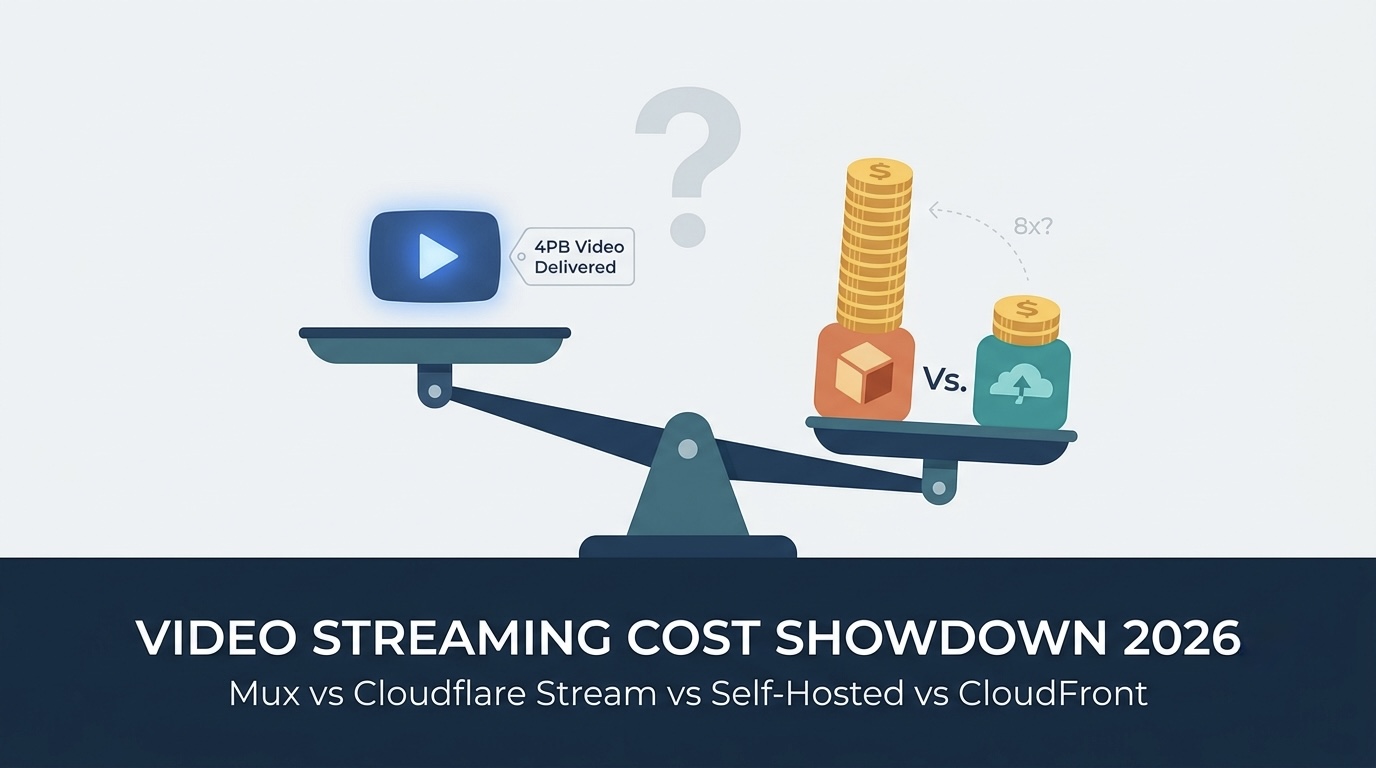
Most teams pick a video streaming platform once and never benchmark alternatives. We delivered over 4 petabytes of video across Mux, Cloudflare Stream, AWS MediaConvert+CloudFront, and self-hosted FFmpeg+Bunny CDN in 2025-2026 and found the cost spread for identical workloads exceeded 9x. This is the workload-to-platform decision framework based on real production deployments.
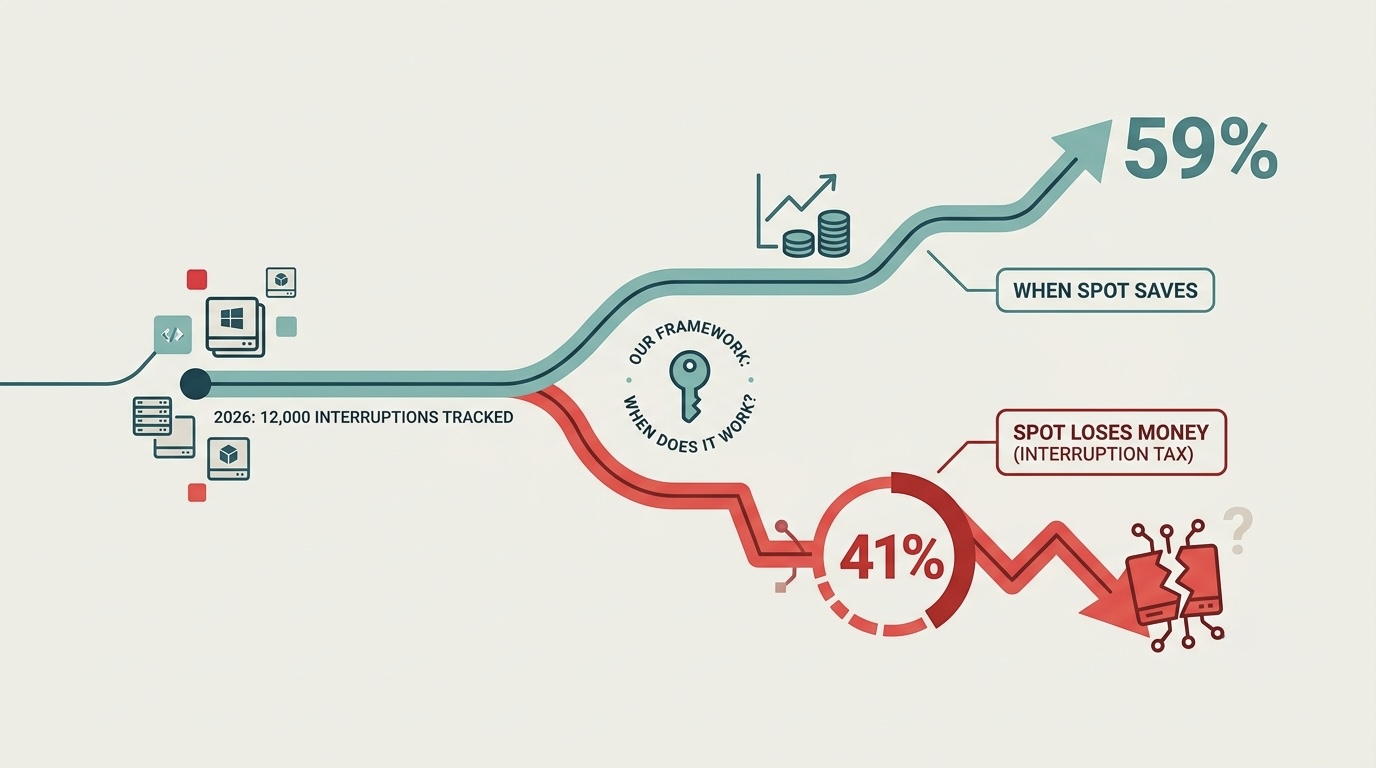
Spot instances promise 60-90% savings, but for 41% of workloads we tracked, the interruption recovery cost exceeded the discount. We analyzed 12,000 interruptions across 40 production deployments and found the real Spot economics depend on workload type, instance family choice, and failover architecture. This is the workload-to-Spot decision framework based on actual interruption data.
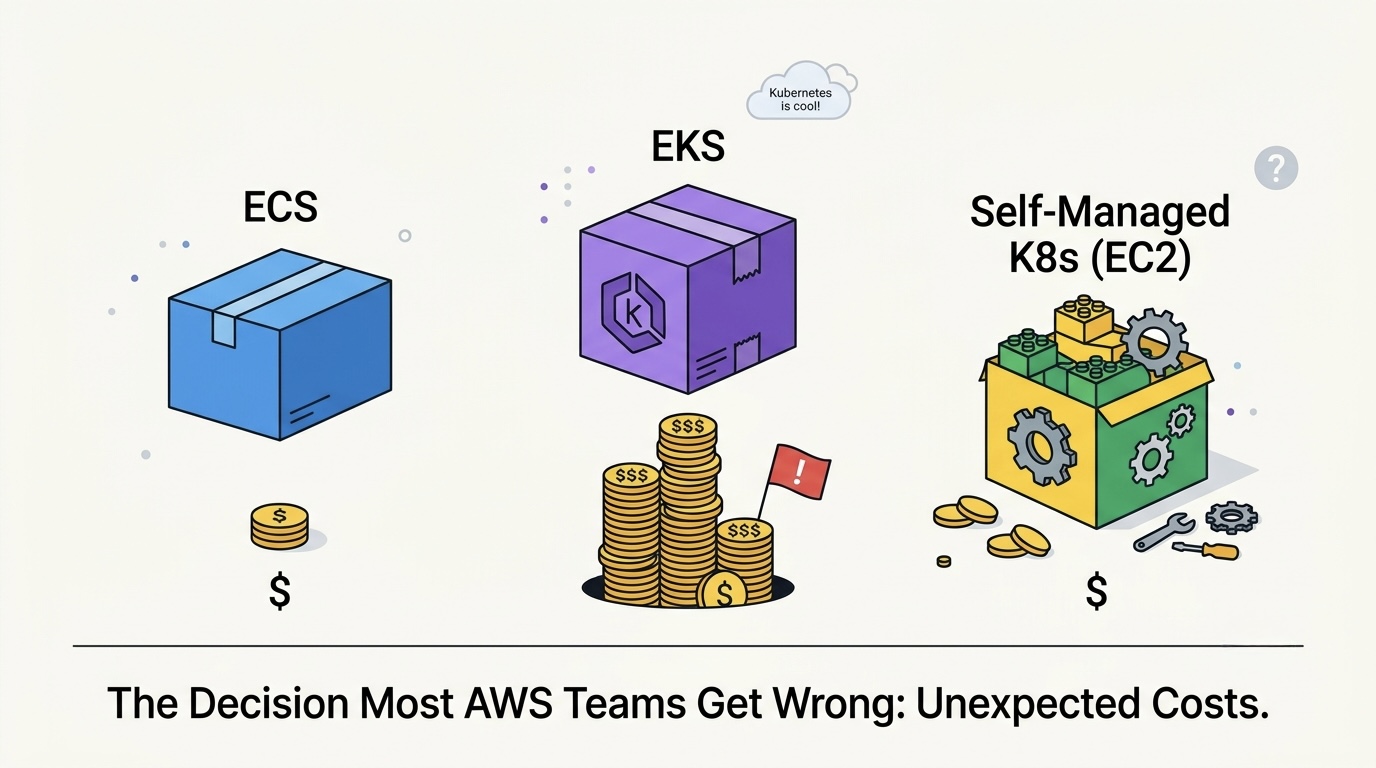
Most AWS teams default to EKS because Kubernetes is the cool answer. We benchmarked 26 production container workloads across ECS, EKS, and self-managed K8s on EC2 and found EKS was the right choice in only 40% of cases. This is the workload-to-orchestrator decision framework based on real production migrations and total cost of ownership analysis.
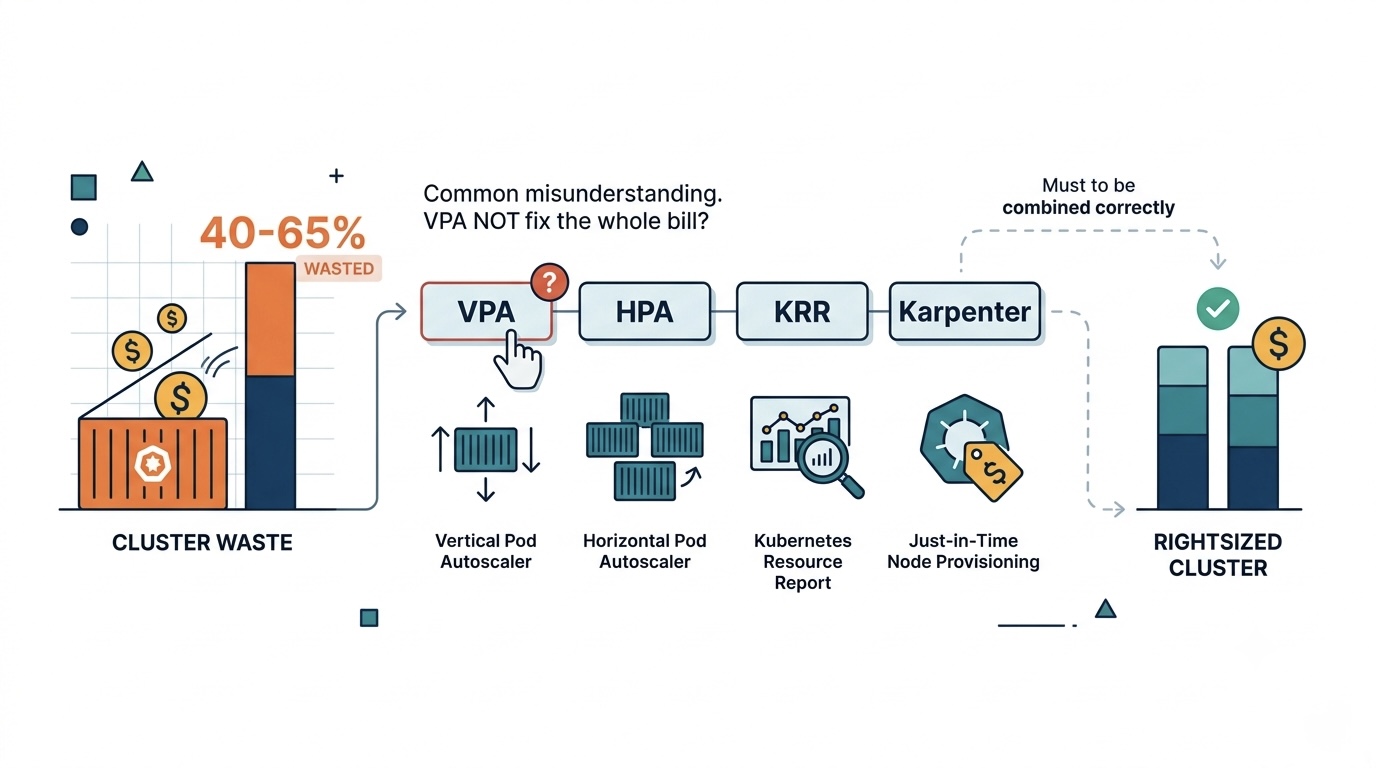
Most teams pick one Kubernetes rightsizing tool and assume it solves the cost problem. We rightsized 80 production clusters in 2025-2026 and found the four major tools (VPA, HPA, KRR, Karpenter) each solve different problems and need to be combined correctly. Picking the wrong tool combination leaves 40-65% of waste in place.
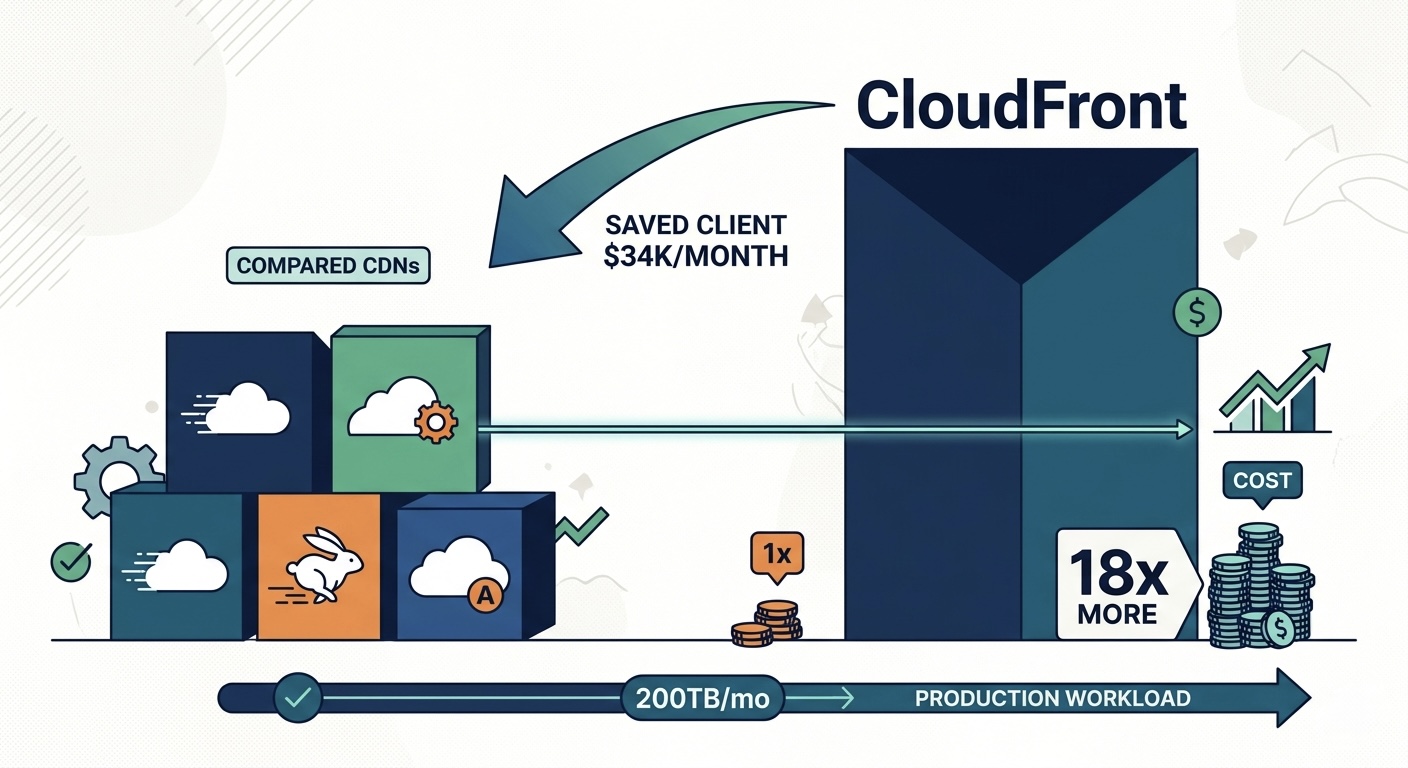
We benchmarked Amazon CloudFront, Cloudflare, Bunny CDN, and Fastly across 200TB/month of production traffic. The cost spread for identical workloads exceeded 18x. This is the workload-to-CDN decision framework based on real migrations, including the hidden costs vendor pricing pages omit.
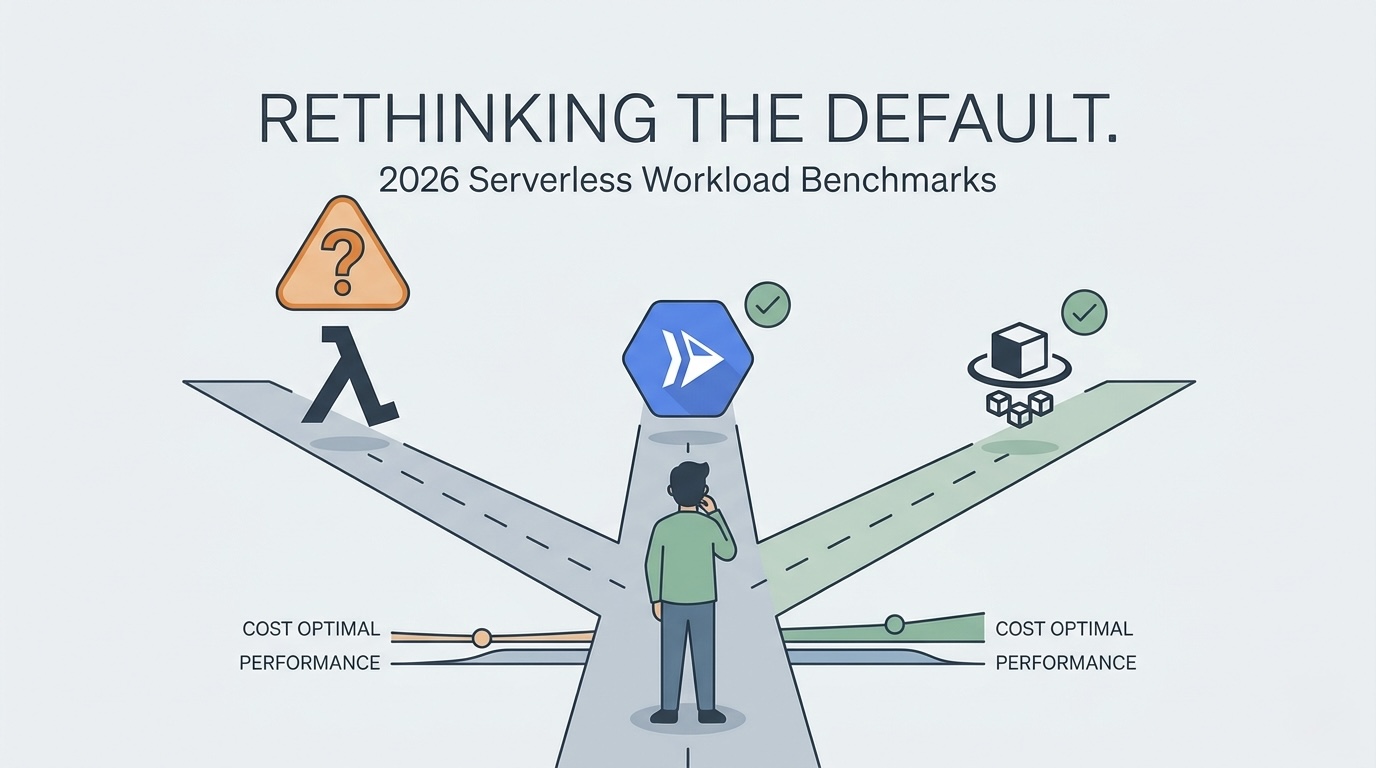
Most teams default to AWS Lambda for serverless workloads because it was the default in 2018. We benchmarked 47 production workloads across Google Cloud Run, AWS Fargate, and AWS Lambda in 2026 and found Lambda was the cost-optimal choice in only 36% of cases. This is the workload-to-platform decision framework based on real production migrations.
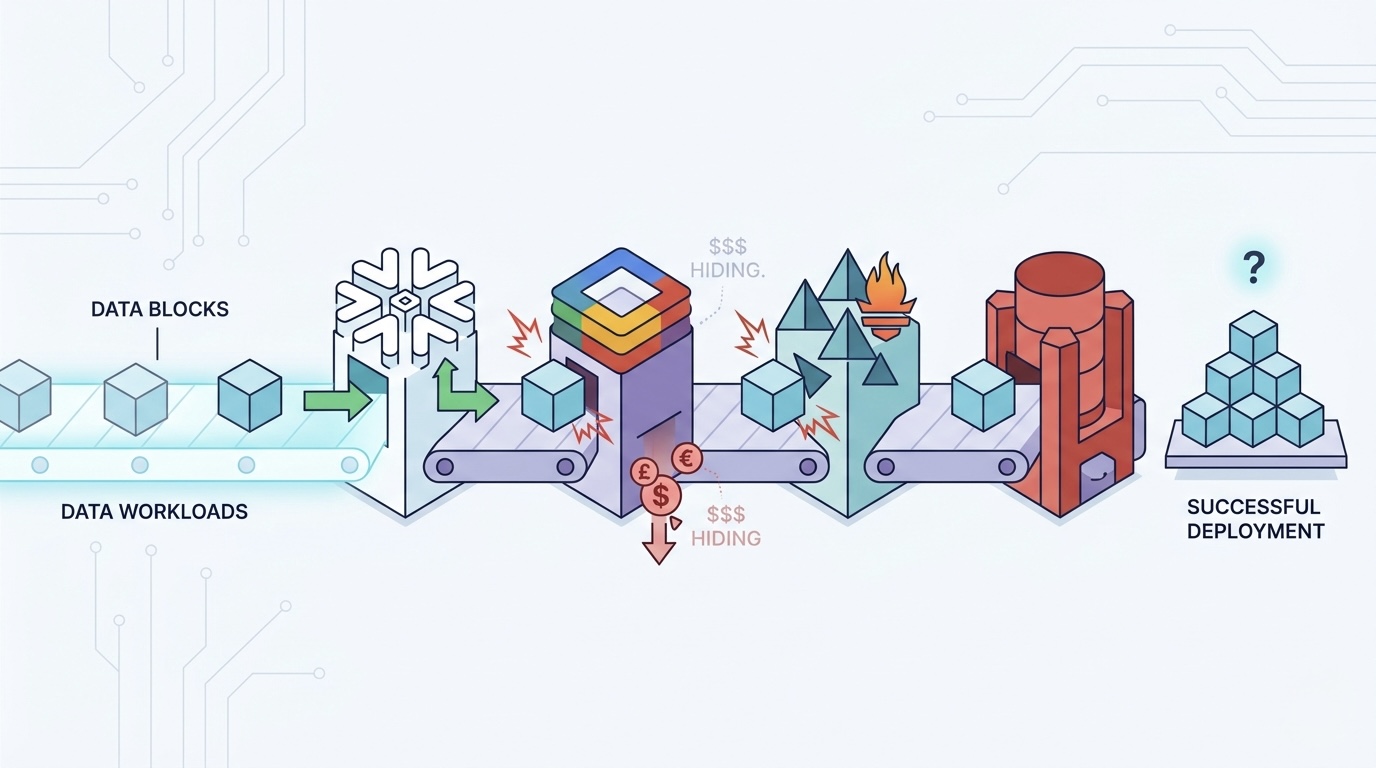
Snowflake, BigQuery, Databricks, and Redshift are not interchangeable. We migrated 18 production data warehouses across all four platforms and found the same workload can cost 8x more on the wrong platform. This is the workload-to-warehouse decision framework based on real production cost analysis, including the hidden costs vendor sales decks omit.